


Probiotics & Gut Health: Balancing Your Mood and Immune System
Published on December 8, 2024
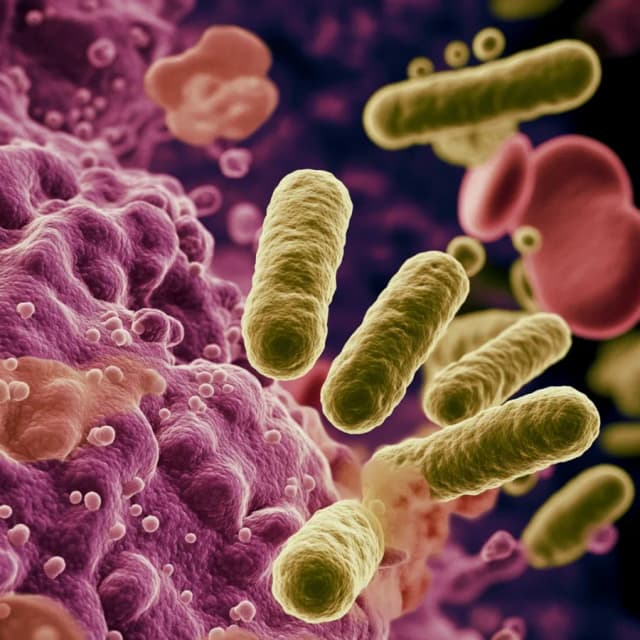
You've probably heard the buzz: probiotics are good for your gut. But that's just the beginning. These live microorganisms—primarily strains of Lactobacillus and Bifidobacterium—do much more than aid digestion. They interact with your immune system, influence inflammation, and may even affect your blood sugar, hormone balance, and bone health.
Let's start with immunity and allergies, where the role of probiotics is more dynamic than many people realize. Imagine your gut as an internal control tower, signaling immune cells around the body to either stand down or launch a defense. In a balanced gut microbiome, probiotic strains can help calm the immune system's overreactions, such as those seen in seasonal allergies, eczema, or asthma. Certain strains—like Lactobacillus rhamnosus GG—have been shown in randomized trials to reduce the frequency and severity of allergy symptoms, including nasal congestion and skin irritation.

This immune-balancing effect also supports overall inflammatory control. When your gut bacteria are in disarray—a condition known as dysbiosis—pro-inflammatory microbes can flourish, increasing the production of cytokines like IL-6 and TNF-alpha. Probiotics help reverse this by reshaping the microbiome in favor of anti-inflammatory strains, restoring gut barrier integrity, and reducing systemic spillover of inflammatory molecules. This has implications for people managing arthritis, fatigue, or chronic low-grade inflammation.
Consider a hypothetical scenario: someone with irritable bowel syndrome (IBS) and frequent bloating, brain fog, and joint stiffness begins a daily regimen of a multi-strain probiotic. Within a few weeks, they notice a reduction in bloating and discomfort. Over time, the downstream effects become clearer—less morning stiffness, better concentration, and improved mood. While the initial focus was gut discomfort, the broader effects arise from shifts in inflammation and gut-brain signaling.
Now shift to blood sugar regulation. Researchers increasingly point to the gut microbiome's role in influencing insulin sensitivity and glucose metabolism. Certain bacterial strains—especially Lactobacillus plantarum and Bifidobacterium breve —can influence short-chain fatty acid (SCFA) production, which in turn affects glucose uptake and storage. In clinical studies, daily probiotic supplementation has improved HbA1c and fasting insulin in people with type 2 diabetes or prediabetes. The effects may not rival pharmaceutical treatments, but they add meaningful support for metabolic resilience.
"Microbes can talk to your metabolism—and the conversation matters."
There's also the emerging relationship between probiotics and mood. This isn't about replacing therapy or medication—but rather supporting the gut-brain axis. The gut produces over 90% of the body's serotonin, and probiotic strains like Lactobacillus helveticus and Bifidobacterium longum have been shown to reduce stress-related cortisol spikes and support emotional balance. In small studies, participants supplementing with these strains report feeling calmer and sleeping better—particularly under chronic stress conditions.
Imagine a work environment with high pressure, late meals, and disrupted sleep cycles. In this setting, even a well-nourished individual may experience gut disruption—altering microbial diversity, weakening gut lining integrity, and reducing GABA and serotonin precursors. Probiotic supplementation, alongside dietary fiber, could help restore equilibrium, improving both digestion and mental clarity.
Probiotics are also being studied in bone health. In postmenopausal women, some strains have demonstrated the ability to improve calcium absorption and reduce bone resorption, likely by lowering gut inflammation and improving mineral bioavailability. Though this field is still growing, the gut-bone axis has become a compelling area for aging populations and those with osteopenia.
On the frontier of oncology research, probiotics are being explored for their role in reducing chemotherapy-related side effects and preserving gut mucosal lining during aggressive treatments. Certain strains may also support immune surveillance—enhancing the body's natural ability to detect abnormal cells. These are not replacements for treatment, but important adjuncts to care.
"Your gut isn't just digesting food—it's directing traffic across the immune, metabolic, and hormonal highways of your body."
What about the gut itself? Of course, probiotics can directly improve digestive function, especially in those with constipation, diarrhea, or bloating. In people with IBS or SIBO, specific strain-targeted probiotics can improve stool regularity, reduce gas, and support microbial rebalancing. Combining probiotics with prebiotics (like inulin or FOS) can enhance these effects further by feeding the beneficial microbes you're introducing.
Dosing matters. While general daily intake ranges from 1 to 10 billion CFUs, higher doses are often used in clinical settings. For immune support, digestive health, or allergy relief, consistency is key. Formulation matters too—probiotics must survive the stomach's acidic environment to reach the intestines. Look for enteric-coated capsules or formulations that have demonstrated survivability.
Side effects are generally mild and temporary—think gas or mild cramping in the first few days. These often fade as the body adjusts to the new microbial guests. However, immunocompromised individuals or those with recent GI surgery should consult a healthcare provider before starting.
Probiotics aren't just about digestion. They're a whole-body support strategy that interacts with immune, metabolic, and neurological systems in subtle but significant ways. The science is growing, and the practical implications are already clear: gut health is foundational, and probiotics offer one of the most direct ways to engage with it.
Frequently Asked Questions
Can probiotics help with allergies and eczema?
—Yes. Research suggests strains like Lactobacillus rhamnosus GG help regulate the immune system’s response to allergens. Consistent use is associated with reduced severity in nasal congestion and skin irritation by supporting the body’s natural inflammatory control.
Do probiotics support healthy blood sugar levels?
—Yes. Strains like Lactobacillus plantarum promote the production of short-chain fatty acids (SCFAs), which are linked to improved insulin sensitivity. Studies show this can help maintain healthy HbA1c levels and fasting insulin in individuals with metabolic concerns.
How do probiotics influence mood and stress?
—Probiotics support the gut-brain axis by influencing neurotransmitters like serotonin. Specific strains, such as Bifidobacterium longum, help manage stress-related cortisol spikes, which may lead to better emotional balance and improved sleep quality.
What is the best way to take probiotics?
—For maximum effectiveness, choose enteric-coated capsules to protect the bacteria from stomach acid. A daily dose of 1 to 10 billion CFUs is typically recommended. Taking them with a meal containing fiber can further help the "good" bacteria grow.
© 2025 Suppalyze. All rights reserved.