

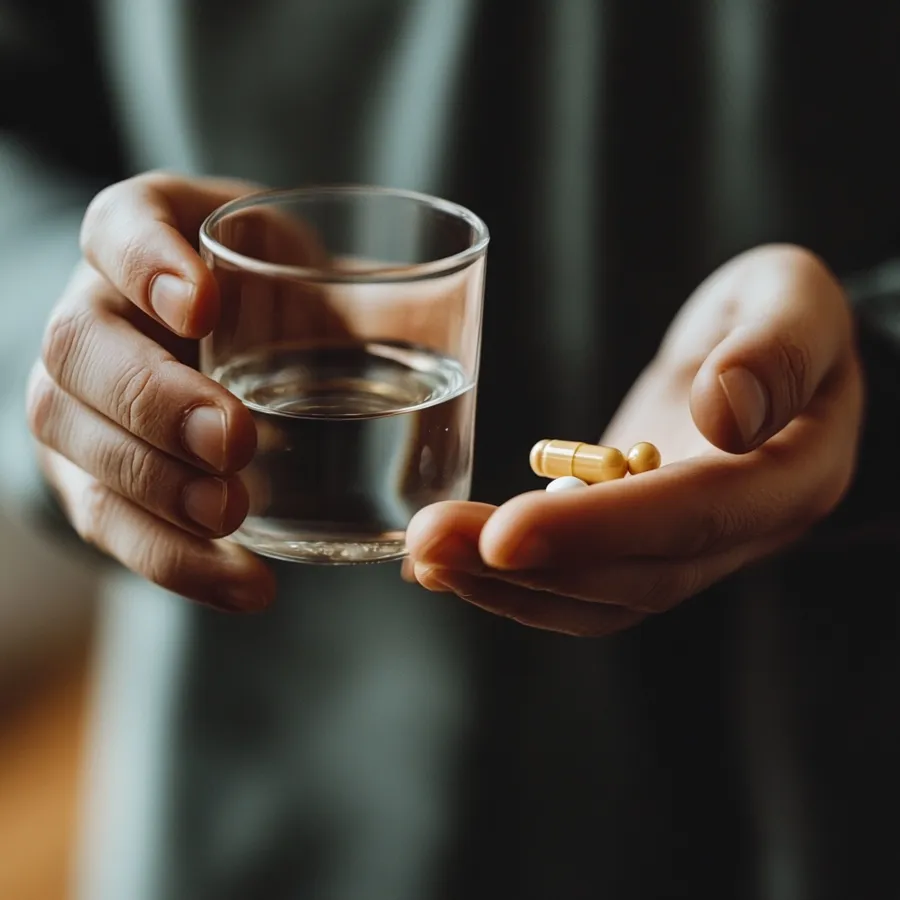
Curcumin & Turmeric: Fighting Systemic Inflammation and Joint Pain That Matters
Published on December 5, 2024
For years, curcumin—the golden compound found in turmeric—has been hyped as a cure-all. From inflammation and cancer to brain fog and blood sugar, it's been touted as the miracle molecule hiding in your spice rack. But how much of the buzz is backed by science—and how much is wishful thinking?
Let's start with what curcumin is. It's the primary active polyphenol in turmeric, giving the spice its bright yellow color and a big chunk of its medicinal potential. But here's the catch: curcumin on its own isn't very bioavailable. In plain terms, it's not easily absorbed by the body unless it's combined with other compounds like piperine (found in black pepper) or formulated into nanoparticles or liposomal forms.
"Curcumin isn't a miracle—but it's not snake oil either. The truth is somewhere in the middle."

If there's one area where curcumin shines, it's inflammation. This is where the research is strongest. Curcumin has been shown to reduce levels of inflammatory cytokines and markers like CRP and TNF-alpha, particularly in people with osteoarthritis or chronic inflammatory conditions. In some trials, its effects have been comparable to over-the-counter NSAIDs—without the gastrointestinal side effects. Typical doses range from 1000 to 2000 mg per day, and bioavailability-enhanced formulations work best.
Picture Elaine, a 63-year-old former tennis coach dealing with nagging joint pain from years on the court. She's hesitant about taking NSAIDs daily due to gut issues, so she tries a high-quality curcumin supplement. Within weeks, the swelling in her knees is down, and her morning stiffness eases. It's not dramatic, but it's enough to get her walking comfortably again. For Elaine, curcumin isn't a miracle—it's a maintenance tool.
Now let's talk about joint and bone health. Several studies suggest that curcumin may help reduce joint pain and stiffness, particularly in people with arthritis. Some emerging data even points to improved bone density markers, but this research is still in early stages.
Let's take Mark, a 48-year-old desk worker who recently took up running to stay active. After months of pounding pavement, he started experiencing nagging knee discomfort. Instead of jumping straight to painkillers, he tried curcumin—partly because he'd heard it could support joint health. After consistent use of a high-absorption curcumin supplement, he noticed subtle but meaningful improvements: less post-run soreness and easier recovery. It wasn't instant relief, but it helped him stick with his routine.
It's fair to say that if you're dealing with achy joints or inflammation-related discomfort, curcumin has a place in your toolkit.
But what about its supposed cancer-fighting powers? Curcumin's anticarcinogenic reputation is rooted in promising lab studies. In petri dishes and mice, curcumin can modulate cellular signaling, induce apoptosis (cell death) in tumor cells, and suppress metastasis. But translating this to humans is much trickier. Most human studies are preliminary, underpowered, or show minimal effect. As of now, curcumin should not be considered a standalone or primary anti-cancer therapy—though it may have a supportive role as part of a broader health strategy.
"Curcumin's cancer research is exciting—but we're not there yet. Petri dish results don't always mean real-world cures."

Where the hype starts to fall apart is in the realm of metabolic health. Curcumin is often promoted for lowering blood sugar and improving insulin sensitivity, especially among people with prediabetes or metabolic syndrome. However, the actual results from studies are inconsistent. Some small trials show modest improvements in fasting glucose or A1C; others show no significant change. It may help as part of a broader lifestyle strategy, but it's no substitute for diet, exercise, or targeted medications.
Another area that deserves cautious optimism is allergy support. Some studies suggest curcumin may help moderate the immune response in allergic rhinitis and skin allergies, likely through its anti-inflammatory action. But here again, the studies are limited and don't always translate to meaningful symptom relief in real life.
"The golden rule with curcumin? It's anti-inflammatory—everything else is a maybe."
Beyond these better-known areas, curcumin has also been investigated for gut health, brain function, and cardiovascular support, but the results are scattered and often limited by formulation or absorption issues. Curcumin does seem to have antioxidant effects that could theoretically benefit many systems, but without consistent clinical outcomes, the claims remain speculative.
Another under-discussed factor is formulation. Standard turmeric powders typically contain just 2–5% curcumin by weight, and curcumin itself is poorly absorbed unless paired with bioavailability enhancers like piperine or micelle formulations. That's why many "turmeric supplements" don't do much unless they're optimized—and why clinical trials often use high doses of purified, enhanced curcumin extracts.
"The dose and delivery matter—a lot. Not all curcumin supplements are created equal."
Side effects are relatively rare but can include digestive upset at high doses. People on blood thinners should be cautious, as curcumin may have mild anticoagulant effects. And because it can interact with certain medications, it's best to consult a healthcare provider if you're managing a chronic condition.
So where does that leave us? Curcumin isn't magic. But for inflammation, joint pain, and possibly immune modulation, it's one of the most well-supported natural compounds available. For everything else, the science is intriguing—but far from settled.
"Curcumin isn't a cure-all. But in the right form, at the right dose, for the right person—it can make a real difference."
Frequently Asked Questions
How does curcumin help with joint pain and inflammation?
—Curcumin reduces inflammatory markers like CRP and TNF-alpha. Studies suggest daily doses of 1,000 mg to 2,000 mg can ease joint stiffness and swelling, offering relief similar to some NSAIDs without the common gastrointestinal side effects.
Why should curcumin be taken with black pepper (piperine)?
—Curcumin alone has very poor absorption. Adding piperine (black pepper extract) can increase its bioavailability by up to 2,000%, allowing the body to effectively utilize its anti-inflammatory properties.
How long does it take for turmeric supplements to work?
—Most clinical trials show significant anti-inflammatory benefits after 4 to 8 weeks of consistent use. For chronic joint discomfort, long-term daily supplementation with high-absorption formulas is recommended for visible results.
Are there side effects of taking curcumin?
—Curcumin is generally safe but can cause mild digestive upset at high doses. Because it has mild anticoagulant (blood-thinning) effects, individuals on blood thinners should consult a doctor before starting a daily regimen.
© 2025 Suppalyze. All rights reserved.