

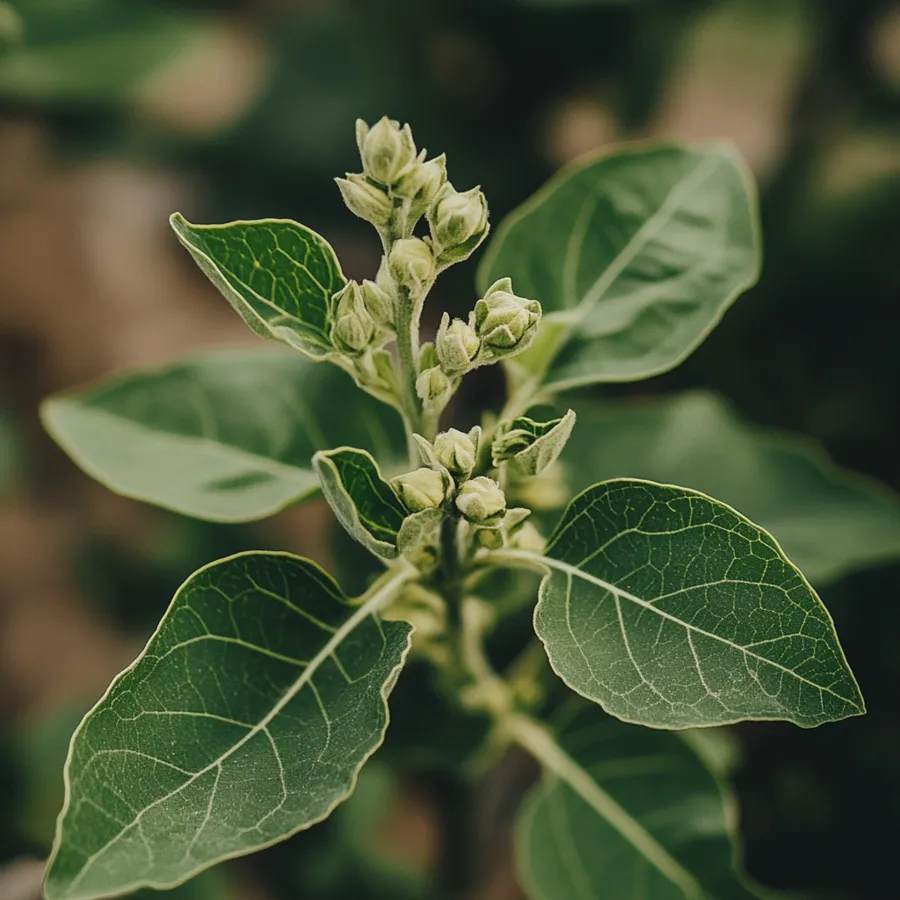
Stop Feeling Burned Out: How Ashwagandha Lowers Stress & Anxiety
Published on December 1, 2024
It starts with a story that stretches back over 3,000 years. In the dusty apothecaries of ancient India, ashwagandha—also known as Withania somnifera—was a cornerstone of Ayurvedic medicine. Believed to promote vitality, calm the nervous system, and restore balance, this adaptogenic root earned the nickname "Indian ginseng." But today, ashwagandha is no longer confined to tradition. It's now turning up in the supplement stacks of overworked professionals, anxious students, and even sleep-deprived parents. And the science is finally catching up to the folklore.
"Ashwagandha isn't just an ancient tonic—it's a modern-day stress shield with surprising benefits."

So what exactly is an adaptogen? Think of it like a thermostat for your body's stress response—helping to bring things back into balance when your system is running too hot (anxious, overwhelmed) or too cold (fatigued, depleted). Ashwagandha does this through its active compounds, called withanolides, which interact with the body's cortisol system and neurotransmitters involved in mood and energy regulation.
Imagine this: You've just finished your third Zoom meeting of the day, deadlines are piling up, and you can feel the tension building in your neck. Instead of reaching for another espresso, you take a few deep breaths—and perhaps a capsule of ashwagandha. Clinical trials suggest that daily supplementation with ashwagandha can reduce cortisol levels, ease perceived stress, and even help manage symptoms of anxiety. Unlike stimulants or sedatives, it works more subtly, helping the body adapt to stress rather than override it.
"More calm, better sleep, sharper focus—ashwagandha makes modern life feel a little more manageable."
Sleep is another big area where ashwagandha shines. Many users report deeper, more restorative sleep, and some studies suggest that it may improve sleep onset and quality by influencing GABAergic signaling in the brain. It's not a knockout pill—but it might help quiet the mental noise that keeps you up.
But ashwagandha isn't just about managing stress. There's compelling evidence that it can support physical performance as well. Athletes and gym-goers are taking note: ashwagandha has been shown to increase VO2 max (a measure of aerobic capacity), boost strength, and reduce exercise-induced muscle damage. This likely stems from a mix of its anti-inflammatory effects and hormone-modulating properties.
Ashwagandha has also been studied for its potential to support testosterone and fertility in men. In some trials, it has improved sperm quality, increased serum testosterone, and enhanced reproductive hormones. While it's not a cure-all, the evidence suggests that it may be a useful tool in supporting hormonal balance, especially under stress.
"Whether it's burnout, brain fog, or bedtime battles—ashwagandha offers a gentle nudge toward equilibrium."

Even beyond stress, sleep, and strength, ashwagandha's reach is expanding. It may support blood sugar regulation, bone health, cardiovascular function, and even immune resilience. Some animal studies suggest potential anti-cancer properties, though human research is still in its infancy. There are also early signals that it might play a role in preserving memory and cognitive function, especially in aging populations.
Of course, no supplement is without caveats. Most people tolerate ashwagandha well, but some may experience mild side effects like stomach upset, drowsiness, or changes in appetite. It's also not recommended during pregnancy, and people with autoimmune conditions should consult a healthcare provider before use.
Still, the safety profile is considered quite favorable, especially compared to pharmaceutical alternatives for stress and anxiety. Typical doses in clinical studies range from 300 to 600 mg of a standardized extract taken once or twice daily.
Ashwagandha's rise in popularity reflects a broader shift in how we think about wellness. In a world that demands constant output and digital presence, people are turning to ancient tools that help restore the ability to pause. It's not about numbing out or pushing harder—it's about supporting the body's natural rhythms so that we can live, work, and recover more sustainably.
"Ancient wisdom is having a moment—and ashwagandha is leading the way."
Whether you're seeking calm in the chaos, sleep after screen time, or stamina in a stressful world, ashwagandha may have something to offer. Its roots may be ancient, but its relevance is more timely than ever.
Frequently Asked Questions
How does ashwagandha help with stress and anxiety?
—Ashwagandha is an adaptogen that helps lower cortisol levels, the body’s primary stress hormone. By modulating the adrenal response and influencing GABA signaling, it reduces perceived stress and anxiety, helping you maintain a sense of calm without the drowsiness of sedatives.
How long does it take for ashwagandha to start working?
—While some may feel a subtle calming effect in a few days, most clinical studies show significant benefits for stress and anxiety after 4 to 8 weeks of consistent daily use. This allows the withanolides to stabilize your body's stress-response system.
Can ashwagandha improve sleep quality and insomnia?
—Yes. Research indicates that ashwagandha can improve sleep onset and depth by quietening mental noise. It interacts with GABAergic pathways in the brain to support a more restorative sleep cycle, especially for those suffering from stress-induced sleeplessness.
Does ashwagandha boost testosterone and athletic performance?
—Yes. Studies suggest ashwagandha can increase VO2 max, boost muscle strength, and support healthy testosterone levels in men. Its anti-inflammatory properties also help reduce exercise-induced muscle damage, making it a popular supplement for recovery and stamina.
© 2025 Suppalyze. All rights reserved.